Spotlight from our Executive Director

The Beauty of Change and What Autumn Leaves Can Teach us about Learning
Every autumn, we witness a remarkable transformation. The green leaves that shade our playgrounds, schoolyards, and neighborhoods begin to turn brilliant shades of yellow, orange, and red. What appears to be a simple change in color is actually a fascinating scientific process, one that offers a powerful metaphor for teaching and learning.
As educators, we know that students do not enter our classrooms as blank slates. They arrive with experiences, ideas, questions, misconceptions, and knowledge gathered from their families, communities, and previous learning. Our work is to help them use what they already know as a foundation for understanding something new.
During the spring and summer, leaves appear green because they contain chlorophyll, the pigment that captures sunlight and enables plants to produce sugars through photosynthesis. As autumn approaches, shorter days and changing temperatures signal many deciduous trees to prepare for winter. Chlorophyll production slows and eventually stops, allowing other pigments that were already present in the leaves, such as yellow and orange carotenoids, to become visible. In some trees, red and purple anthocyanins are produced during the fall.
The leaves are not simply changing color for beauty. The tree is adjusting to changing environmental conditions, conserving resources, and preparing for a different season of growth. This transformation is not a loss of everything that came before. Rather, it reveals processes and pigments that were present all along while creating the conditions for the tree to move into its next stage.
Watch more about the leaf changing process here: Click here to watch
Learning Works in Much the Same Way
Students also change as they learn. New information interacts with what they already understand, sometimes strengthening existing knowledge and sometimes challenging ideas they have held for years.
Educational research on prior knowledge and constructivist learning emphasizes that students make meaning by connecting current information to existing mental frameworks. When students encounter an unfamiliar concept, they interpret it through what they already believe to be true. If that understanding is incomplete or inaccurate, simply presenting more information may not be enough. Teachers must help students examine, revise, and extend their thinking.
Think about a student who believes that leaves change color because the cold autumn weather dyes them red, yellow, and orange. This belief may come from observing that leaves change color as temperatures drop. Through observation and investigation, the student learns that shorter days and changing temperatures signal many trees to prepare for winter. As chlorophyll breaks down, the yellow and orange pigments that were already present in the leaves become visible, while red pigments may be produced. The student moves from a simple explanation based on what they observe to a deeper understanding of the science behind the change.
The student has not merely replaced one fact with another. The student has reorganized existing knowledge to make room for a deeper explanation. Like the changing leaves, learning involves a transformation that becomes visible over time.
What Does this Mean for Teachers?
If learning is a process of transformation, our instructional practices should create the conditions for that transformation to occur. We cannot simply deliver information and assume students have changed their understanding any more than we can look at a tree in September and assume every leaf will turn the same shade of red. Here are five ways educators can help students move from old knowledge to new understanding.
- Activate what students already know. Before introducing a new concept, ask students what they know, what they believe, and how they arrived at those conclusions. A stop-and-jot, discussion, drawing, or pre-assessment can reveal the thinking students bring into the lesson.
- Make misconceptions visible. Just as green chlorophyll can mask other pigments, students' existing beliefs can mask gaps in understanding. Use questioning, demonstrations, and formative assessments to uncover those gaps. Misconceptions are not failures; they are opportunities to guide learning.
- Create experiences that challenge and extend thinking. Students need opportunities to investigate, compare, explain, practice, and apply new concepts. When new evidence conflicts with an existing belief, teachers can help students examine the evidence and construct a more accurate understanding.
- Provide time for learning to develop. A tree does not change all its leaves overnight, and students do not develop deep understanding after a single lesson. Purposeful modeling, guided practice, feedback, retrieval practice, and opportunities to apply learning in new situations help students strengthen and retain what they know.
- Look for evidence of transformation. We can admire the color of a leaf, but we understand the process more fully when we know what caused the change. Similarly, students' correct answers are important, but we also need to know whether they can explain their reasoning, transfer their learning, and apply a concept independently.
What Does this Mean for School Leaders?
For school leaders, this metaphor extends beyond individual classrooms. Just as trees depend on environmental conditions to thrive, teachers depend on supportive systems to help students learn.Do teachers have the time and resources to examine student data collaboratively? Are professional learning opportunities connected to identified instructional needs? Do classroom walkthroughs provide meaningful feedback about evidence of student thinking and engagement? Are educators encouraged to reflect, adjust, and try new approaches without viewing every challenge as a failure?
Leaders can nurture a culture in which change is expected, learning is ongoing, and improvement is celebrated. Rather than asking only whether a strategy was implemented, leaders can ask what students learned, what evidence supports that conclusion, and what adjustments might help students move forward. The goal is not change for the sake of change. It is growth that leads to deeper understanding and stronger outcomes for students.
Results Can Be Extraordinary
Autumn leaves remind us that change is a natural part of growth. Some leaves turn brilliant red, others glow gold, and some become brown before falling. Each follows its own process, influenced by its species and environment.Our students are equally varied. They bring different experiences, strengths, needs, and starting points to their learning. As we move through this school year, let us remember that teaching is not simply about adding more information. It is about helping students connect, question, revise, and build upon what they already know until new understanding takes root.
Our most important work as educators is to create the conditions in which students can reveal their potential, one new understanding at a time.
Like the autumn leaves, meaningful change may take time, but when we nurture the process, the results can be extraordinary.Your SWREC team is proud to be your partner in education.
Enjoy the transformation,
SWREC Executive Director,
Valerie Brea
🌟 Spotlight on Instructional Excellence
October: A Month of Growth, Collaboration, and Impact!
What a remarkably productive month it has been for our entire educational community! Throughout October, teachers, instructional leaders, and administrators came together with incredible energy and shared purpose to sharpen their practice and better support our students. Across special education, mathematics, language acquisition, and administrative leadership, the dedication and enthusiasm of our staff have been nothing short of inspiring.
Building Strong Foundations in Special Education
Our commitment to inclusive, student-centered education shone brightly this month through our special education initiatives. Educators and directors worked collaboratively during the Teacher's Academy sessions to refine Individualized Education Programs, placing a strong emphasis on continuous alignment from Present Levels of Academic Achievement and Functional Performance (PLAAFP) through to measurable, meaningful student goals.
Special education leaders also gathered for tailored SPED Directors Leadership Academy sessions, creating dedicated space to navigate complex challenges, share best practices, and drive system-wide improvements. Additionally, administrators and staff took deep dives into critical regulatory topics during the NMTEAM series webinar, including navigating parental requests for evaluations to ensure that our schools continue to partner transparently and effectively with families.
Reimagining Math and Curriculum Success
Mathematics instruction received a powerful boost as educators across all grade bands joined interactive, hands-on workshops in partnership with SchoolKit. From early elementary (K-3) through secondary grades (4-12), teachers explored grade-specific strategies to make math more accessible, engaging, and rigorous for every learner. School leaders also engaged in targeted online Math Leadership alignment sessions to ensure these instructional strategies are sustained and supported across our buildings.
Looking toward the future of our classrooms, high school Language Arts educators and administrators dedicated focused time at Smith School to review new curriculum options with vendors. This collaborative evaluation process ensures that our instructional materials closely align with state standards and provide the strong literacy foundation our students deserve.
Empowering Multilingual Learners & Leadership Excellence
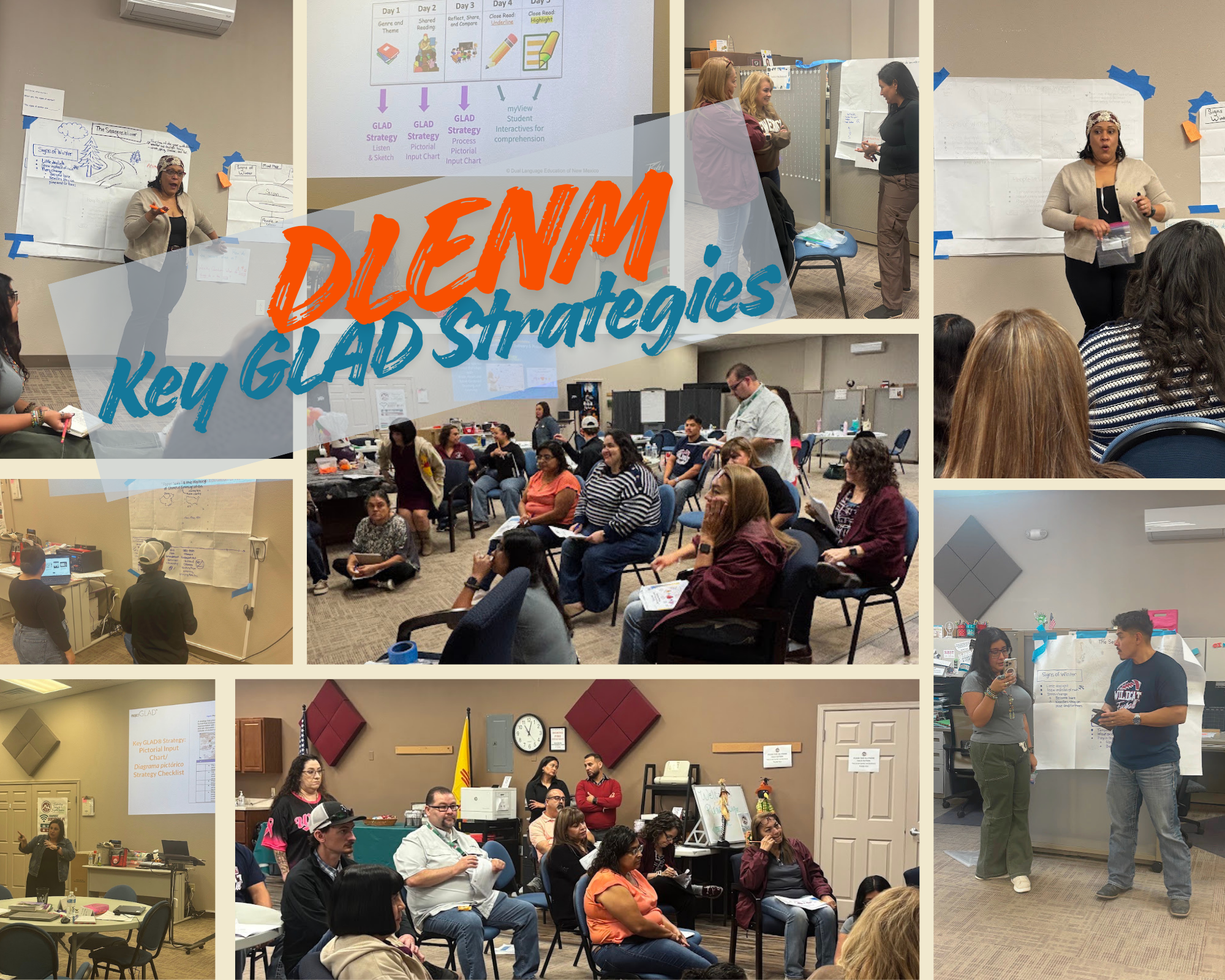
Supporting our diverse student body remains a top priority, and this month marked an exciting step forward in our language acquisition initiatives. Educators explored high-impact Guided Language Acquisition Design (GLAD) strategies with DLeNM, aimed at elevating reading comprehension and accelerating learning for our English Learners. The energy and enthusiasm brought to these sessions highlight the passionate commitment our staff has toward equitable achievement for all students.
Parallel to classroom strategies, our administrative leaders focused on strengthening leadership practices during the SWREC Leadership Academy. School principals and assistant principals engaged in meaningful discussions around critical conversations and aligned their work to the EXCEL rubric, furthering a culture of continuous school improvement and administrative excellence.
A heartfelt thank you goes out to every presenter, teacher, specialist, and administrator who dedicated their time and talent throughout October. Let’s carry this momentum forward into the next month! 🚀✨
Upcoming Trainings
November 2026 Schedule
Teacher’s Academy (Through a Special Education Lens): Team, One Student: Measuring Progress
Executive Functions and Organized Binder Part 2
Toolbox for SPED Discipline
Grades K-3 Math Training
Teacher’s Academy (Through a Special Education Lens): One Team, One Student: Prior Written Notice (PWN)
4-12 Math Training
Math Leadership Training
NMTEAM Series Webinar 2: The EDT Process and Worksheets
SPED Directors Leadership Academy
SWREC Featured Spotlight

Equipping Educators: Proactive Strategies & Legal Tools for SPED Discipline
Featuring Elena M. Gallegos • Shareholder at Walsh Gallegos Kyle Robinson & Roalson P.C.
👤 Meet Elena M. Gallegos
Elena M. Gallegos is a seasoned attorney who has dedicated her career to practicing school law since 1988. Her work focuses on school governance, disability law, employment, student issues, and special education legal compliance.
Recognized nationally as a leading author and sought-after speaker, Elena has supported state departments across ten states through her work with the Mountain Plains Regional Resource Center. She serves as shareholder at Walsh Gallegos, editor of School Law New Mexico, and a trusted advisor guiding administrative teams through complex legal challenges while prioritizing student success.
- Education: J.D., University of Texas School of Law (1988)
- Licensure: New Mexico & Texas State Bars
- Courts: U.S. Supreme Court & U.S. 10th Circuit Court of Appeals
🛠️ What is Toolbox 4.3?
Managing discipline in special education requires navigating complex legal parameters while maintaining campus safety. The interactive Toolbox 4.3 Workshop provides a shared framework and practical vocabulary to handle challenging behavioral situations with confidence.
Key Takeaways & Tools Included:- Legal Parameters: Guidance on short-term removals, long-term changes of placement, and "special circumstances" rules.
- Behavior Plans: Strategies for crafting and implementing effective behavior plans that foster positive student outcomes.
- Practical Application: Real-world case study review and interactive hypothetical scenario practice.
- Comprehensive Resource: Participants receive the Toolbox 4.3 book featuring sample codes of conduct, behavior plan templates, and administrative documentation forms.
Spotlight on our SWREC Halloween Fun
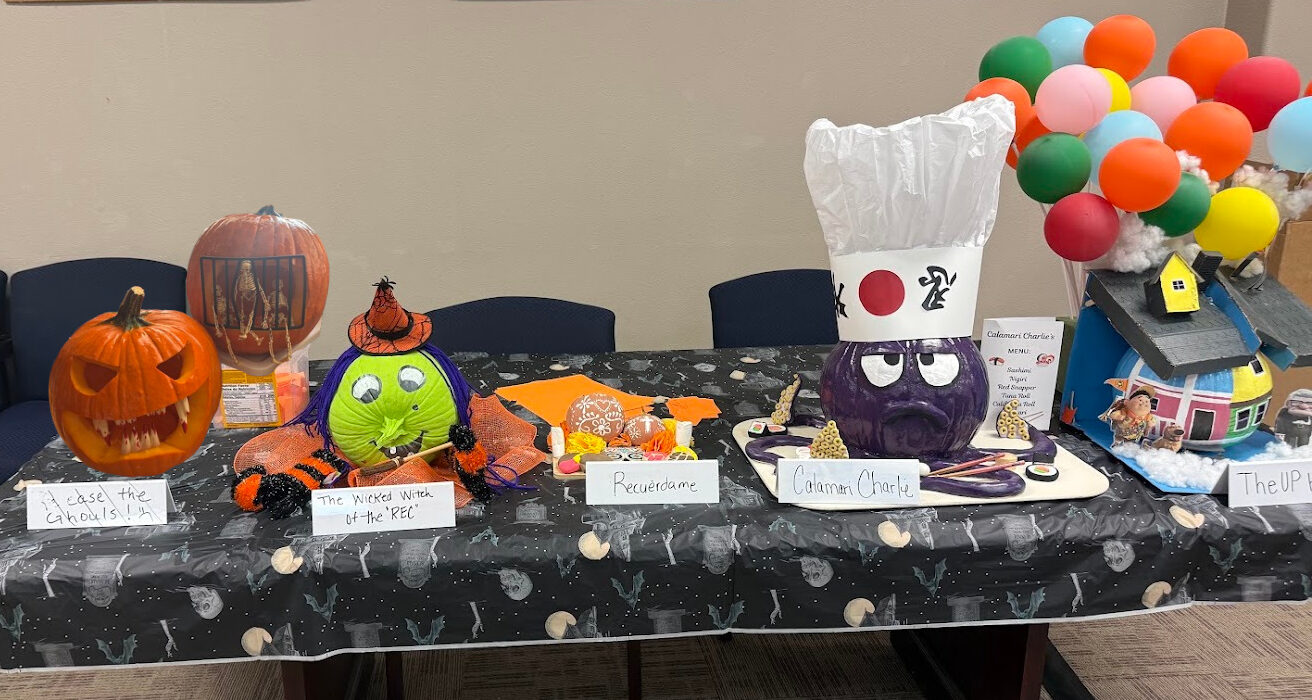
Pumpkin Carving/Painting Contest
SWREC held a pumpkin contest for our staff. People who attended our trainings throughout the month got to vote on the best pumpkin. The winners were a tie between: Release the Ghouls! and The Wicked Witch of the REC.
Costumes
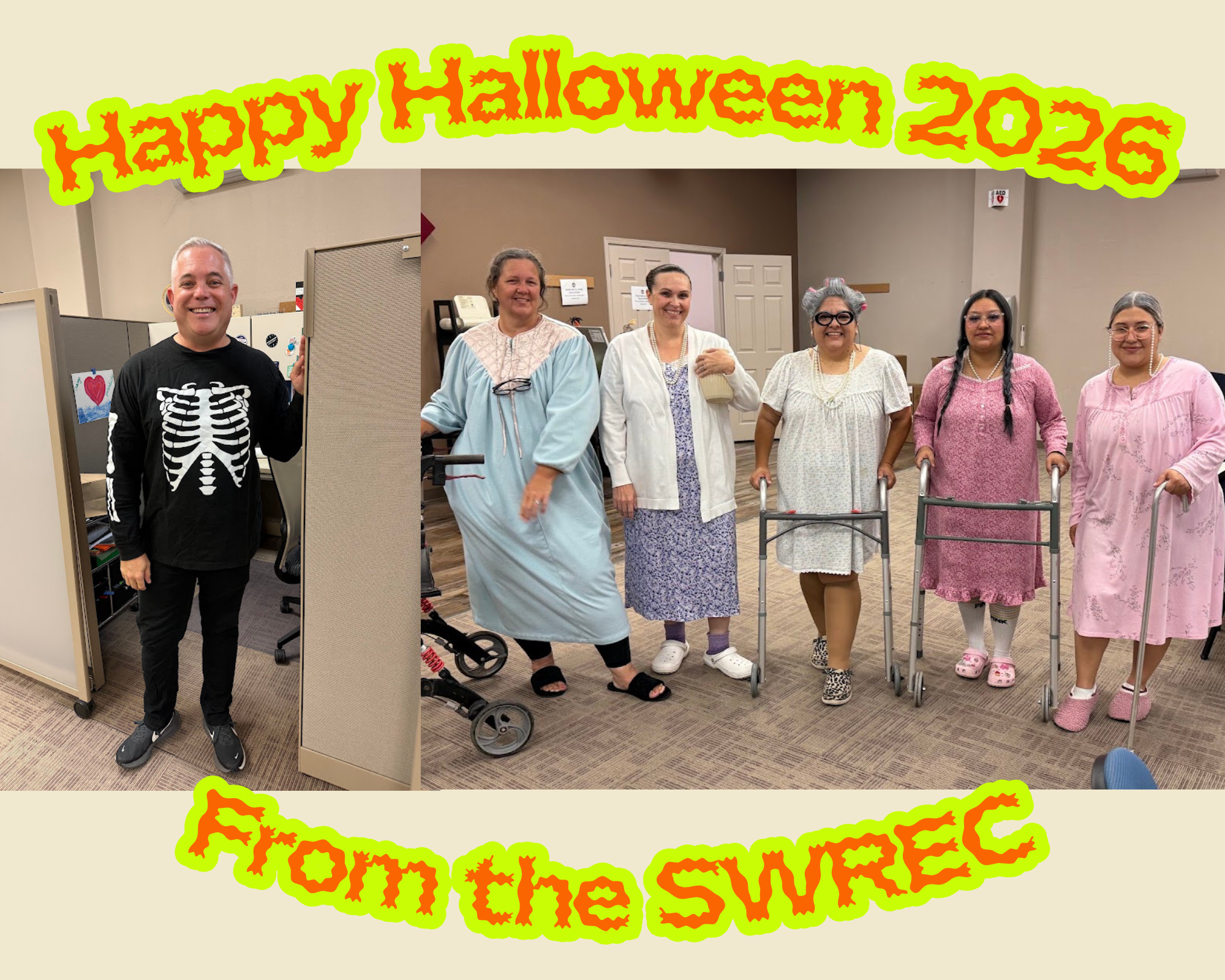
Staff was encouraged to dress up and it seems like work is making us feel old.